Drill machine types and selection criteria for manufacturing workshops
a[data-rs-seo-link]{text-decoration:underline!important;color:#1a56db!important;cursor:pointer!important;}a[data-rs-seo-link]{text-decoration:underline!important;color:#1a56db!important;cursor:pointer!important;}
A drill machine is one of the most common hole-making tools in a manufacturing workshop, but selecting one involves more than checking spindle size or motor power. The right machine depends on workpiece size, material, hole diameter, production volume, accuracy requirements, fixturing method and operator safety needs. For general maintenance, a bench or floor drill press may be sufficient. For large plates and castings, a radial drill machine can reduce part handling. For repeat production, multi-spindle or CNC drilling equipment may offer better efficiency. This article focuses on industrial drill machines used as machine tools, not handheld power drills.
What a drill machine does in a manufacturing environment
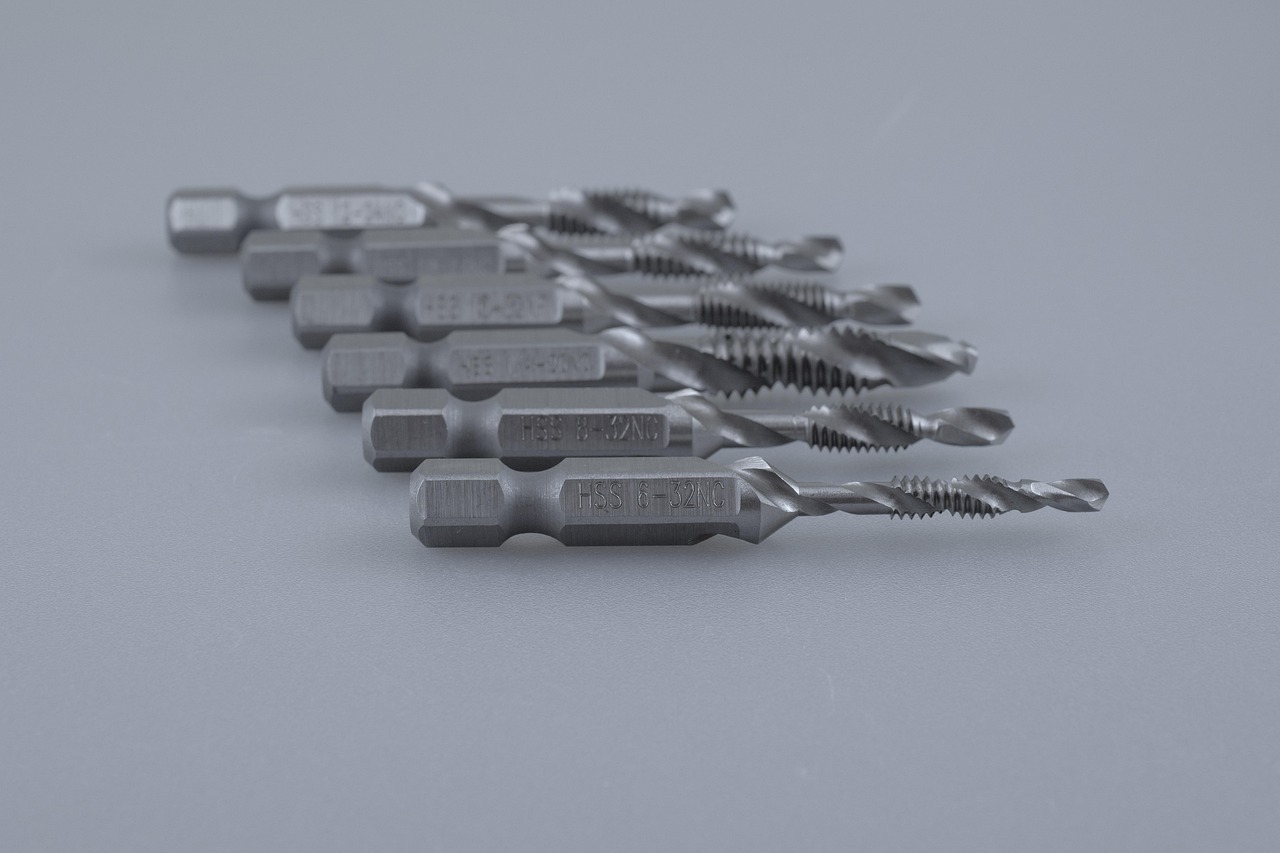
A drill machine produces round holes by rotating a cutting tool and feeding it into a workpiece. Depending on spindle rigidity, speed range, feed control and tooling, the same machine may also support related operations such as center drilling, countersinking, counterboring, reaming and tapping.
The basic operation is simple, but workshop requirements vary widely. A small fabrication shop may use a drill press for brackets, fixtures and repair work. A maintenance department may need a dependable machine for one-off parts in steel, aluminum, plastic or composite materials. A production workshop may need repeated hole patterns, controlled depth and consistent alignment. These differences are why machine structure, capacity and control features matter.
The drill machine should be selected around the work, not the other way around. If operators must repeatedly reposition heavy parts, run the machine at the edge of its capacity or hold work by hand because clamping is inconvenient, the machine is not well matched to the job.
Main drill machine types and where they fit
Drill machines range from simple manual presses to automated CNC systems. The comparison below provides a practical starting point for workshop planning.
| Drill machine type | Typical use | Main advantage | Key limitation |
|---|---|---|---|
| Bench drill press | Small parts, light maintenance, prototypes | Compact and economical | Limited throat depth, table size and rigidity |
| Floor drill press | General workshop drilling in metal, plastic or wood | Greater capacity and stability than bench models | Still requires careful manual setup for accuracy |
| Radial drill machine | Large plates, castings and heavy workpieces | Spindle can move over the work instead of moving the workpiece | Larger footprint and more setup discipline needed |
| Gang or multi-spindle drill | Repeated hole patterns and batch production | Improves throughput by reducing tool changes and repeated setups | Less flexible for varied one-off work |
| Magnetic base drill | Structural steel, site work and large fixed components | Portable hole-making on ferrous surfaces | Depends on secure magnetic holding and suitable surface conditions |
| CNC drilling or drilling-tapping center | High-repeatability production and complex patterns | Programmable positioning, feed control and repeatability | Higher cost, programming needs and maintenance requirements |
A bench or floor drill press is usually the first choice for mixed workshop work. A radial drill becomes valuable when the workpiece is too large or heavy to move easily under a fixed spindle. A gang drill is useful when the same part family needs multiple holes in sequence. CNC drilling equipment is justified when repeatability, cycle time and part tracking matter more than the lowest initial purchase cost.
Specifications that matter before purchase
Machine brochures often highlight motor power and drilling capacity, but buyers should review the specification sheet as a complete system. A drill machine with an impressive maximum capacity can still be a poor fit if it lacks the required speed range, table travel, feed control or fixturing options for the actual parts.
Capacity, throat depth and spindle travel
Drilling capacity is usually stated as a maximum hole size in a given material, but real work depends on more than that number. Throat depth determines how far from the edge of a workpiece the spindle can reach. Spindle travel affects how deep the tool can feed without resetting. For tall workpieces, also check the maximum distance between the spindle nose and table, as well as the distance to the base.
Spindle speed range and torque
Different materials and drill diameters require different cutting speeds. Small drills generally need higher spindle speed, while larger drills require lower speed and higher torque. If the machine cannot run slowly enough for larger tools in steel, tool life and hole quality may suffer. If it cannot run fast enough for small drills in aluminum or plastic, productivity and finish may be limited.
A common workshop rule is that spindle speed rises as tool diameter gets smaller and falls as diameter gets larger. This is why a wide, easily adjustable speed range is often more useful than a single high top speed.
Manual, automatic and power feed
Manual feed gives the operator good feel for light work and prototypes. Power feed can improve consistency when drilling larger holes, deeper holes or repeated batches. For tapping, controlled feed and spindle reversal become important. On production machines, CNC control can manage peck cycles, depth, positioning and tool changes more consistently than manual operation.
Table design, fixturing and workholding
A rigid table with T-slots or suitable mounting features is essential. Workholding should be treated as part of the machine system, not as an afterthought. Vises, clamps, stops, backing plates and custom fixtures reduce part movement, improve repeatability and lower the risk of the drill catching the workpiece.
For heavy parts, consider whether the table can be raised, lowered, rotated or tilted without compromising rigidity. For radial drill machines, check arm movement, column locking and head positioning. A large machine that is slow to set up may not improve productivity if every job requires excessive adjustment.
Accuracy and hole quality depend on the full process
A drill machine does not produce accurate holes by specification alone. Hole quality depends on the relationship between machine rigidity, tool condition, workholding, feed rate, material behavior and operator practice.
Runout at the spindle or chuck can enlarge holes and shorten tool life. A flexible column, worn quill or unstable table can cause chatter. Dull drills generate heat, wander more easily and leave poor finishes. Long drills increase deflection, especially in deep holes. When tolerances are tighter, drilling may need to be followed by reaming, boring or another finishing process.
For better results, workshops should use center drilling or spotting where location matters, keep drill overhang as short as practical, use suitable cutting fluid where appropriate, clear chips before they pack in the flute and avoid forcing the tool. Peck drilling can help in deeper holes because it breaks chips and helps remove heat, but the cycle must match the material and tool.
Material also changes the process. Aluminum may need attention to chip welding. Stainless steel can work-harden if the tool rubs instead of cutting. Cast iron creates fine abrasive chips and often needs different cleanup discipline from steel. Plastics may melt, grab or crack if speed, feed and drill geometry are poorly matched. See also: Buying Guides.
Safety, guarding and operating discipline
Safety guidance from OSHA and CCOHS consistently points to three practical themes for drill presses: secure the work, protect the operator from rotating parts and chips, and avoid unsafe clothing or hand placement. In the United States, OSHA’s general machine guarding requirements apply to drill presses, and ANSI B11.8-2021 is a relevant machine-tool safety standard for manual milling, drilling and boring machines. Local requirements can differ, so buyers and employers should verify the rules that apply to their facility.
The most common unsafe habit is hand-holding the workpiece. If a drill catches, the work can spin suddenly and strike the operator. A vise, clamp, hold-down fixture or dedicated jig is normally safer and more repeatable. Loose sleeves, jewelry, long hair and gloves around rotating spindles can also create entanglement hazards.
Guarding needs careful thought because drilling requires tool changes, chip clearance and direct access to the work area. Telescoping chuck guards, chip shields, belt-drive covers, emergency stop devices and interlocked enclosures may all have a place depending on the machine type and application. High-production and automatic machines often need more separation between the operator and the cutting zone than a simple manual press.
Daily operating discipline matters as much as hardware. The chuck key should be removed before startup. Speed changes should be made only when the machine is stopped, unless the machine is specifically designed for controlled variable-speed adjustment. Chips should be removed with a brush or tool, not bare hands. Before maintenance or tool changes that expose hazardous energy, lockout or another approved energy-control procedure may be required.
A practical selection checklist for buyers
Before purchasing or upgrading a drill machine, workshops can reduce mistakes by documenting the actual work envelope and production expectations. The checklist below helps compare models and avoid under-specified equipment.
- Workpiece range: Record maximum length, width, height, weight and required hole positions.
- Material mix: List the metals, plastics, composites or wood materials to be drilled most often.
- Hole requirements: Define diameter range, depth, positional tolerance, surface finish and whether reaming or tapping is needed.
- Production volume: Separate one-off maintenance work from batch or continuous production.
- Speed and feed needs: Confirm that the spindle speed range and feed options match the expected tooling.
- Workholding: Check table slots, vise compatibility, clamping access and fixture space.
- Rigidity: Compare column size, head construction, quill travel and table support, not only motor power.
- Safety features: Review guards, covers, emergency stop, electrical controls and access for safe cleaning and maintenance.
- Floor space and handling: Include operator access, chip handling, coolant management and room for large workpieces.
- Total cost: Consider tooling, vises, fixtures, coolant, inspection tools, training and maintenance, not only the machine price.
For many workshops, the best decision is not the largest drill machine available. A machine that is rigid, easy to clamp, correctly sized and simple to set up can outperform a larger model that operators avoid because it is slow or awkward to use.
When to move from a manual drill machine to CNC drilling
Manual drill machines remain valuable because they are flexible, affordable and easy to understand. They are often the right choice for repair work, prototypes, toolroom jobs and low-volume fabrication. CNC drilling becomes more attractive when the same patterns repeat, when part traceability is important or when hole location must be controlled across many pieces.
The decision should be based on measurable problems. If operators spend too much time laying out hole patterns, changing stops or correcting mislocated holes, automation may pay back through reduced setup time and scrap. If the work changes every hour and tolerances are modest, a well-equipped manual drill press or radial drill may remain more economical.
A middle path is also possible. Digital readouts, better fixturing, quick-change tooling and improved workholding can raise manual-machine performance without moving immediately to CNC. The most efficient upgrade is often the one that removes the real bottleneck rather than the most advanced technology on paper.
Frequently asked questions
Is a drill machine the same as a drill press?
In many workshop conversations, the terms overlap. A drill press is a common type of drill machine with a fixed stand, table and spindle. The broader term drill machine can also include radial drills, gang drills, magnetic drills and CNC drilling equipment.
What is the main advantage of a radial drill machine?
A radial drill machine allows the spindle head to move over a larger work area. This is useful for heavy plates, castings and fabricated structures because the operator can position the tool over the hole location instead of repeatedly moving the workpiece.
Which specification is most important for hole accuracy?
No single specification controls accuracy. Spindle runout, machine rigidity, workholding, tool condition, feed control and setup practice all matter. For close-tolerance holes, drilling alone may not be enough; reaming or boring may be required after drilling.
Why should workpieces be clamped on a drill machine?
Clamping prevents the part from rotating or lifting if the drill catches. It also improves repeatability and helps the operator keep hands away from the rotating tool and chips.
When is CNC drilling worth considering?
CNC drilling is worth considering when hole patterns repeat, positioning errors are costly, production volume is high or the process requires controlled cycles such as peck drilling and tapping. For varied repair work, a manual machine may still be the more practical choice.