How to choose construction equipment suppliers for reliable project delivery
a[data-rs-seo-link]{text-decoration:underline!important;color:#1a56db!important;cursor:pointer!important;}a[data-rs-seo-link]{text-decoration:underline!important;color:#1a56db!important;cursor:pointer!important;}
Start with supplier capability, not the lowest quote
Reliable construction equipment suppliers should be judged by how well they protect project uptime, not by the first quotation alone. A low purchase price can quickly lose value if the machine arrives late, has incomplete service records, uses parts that are difficult to source, or cannot be supported near the jobsite. The practical decision is to match the supplier type to the project risk, verify the equipment and documentation before payment, and compare total ownership cost over the expected working period.
For buyers building or refreshing a fleet, the supplier becomes part of the project’s operating system. Equipment selection, warranty handling, technician availability, delivery timing, operator training, financing, and resale value all depend on that relationship. This guide outlines how contractors, procurement teams, and industrial buyers can compare suppliers before signing a purchase order. For more machinery purchasing topics, visit our Buying Guides section.
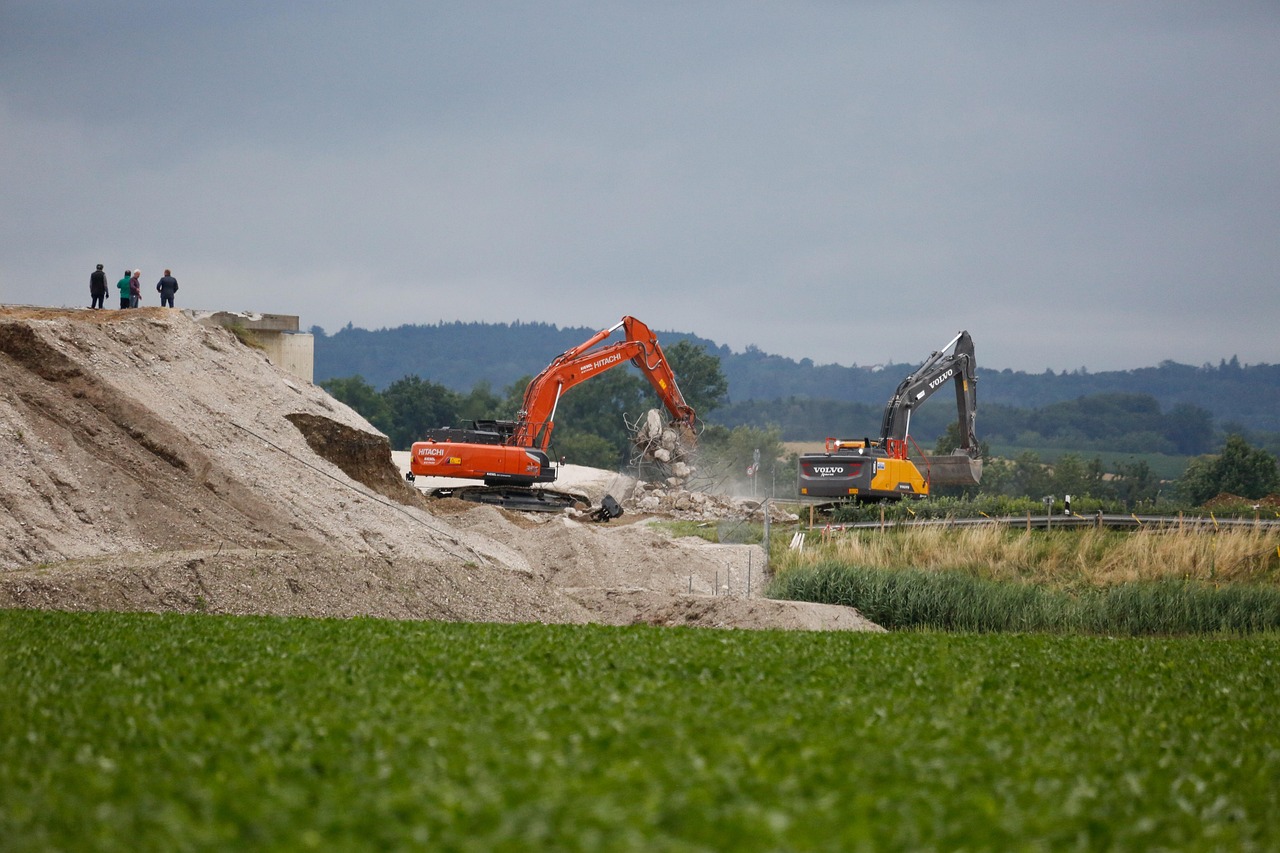
Match the supplier type to the project risk
No single supplier model fits every construction project. A highway contractor replacing core excavators has a different risk profile from a builder renting compact loaders for a short site-preparation phase. Before comparing prices, define the job duration, expected utilization, duty cycle, site conditions, repair tolerance, and whether the machine is mission-critical.
| Supplier type | Best fit | Main advantage | Main limitation |
|---|---|---|---|
| OEM or factory-direct channel | Large fleets, standardized specifications, long-term capital programs | Strong factory support, model consistency, warranty clarity | May require longer lead times and less price flexibility |
| Authorized dealer | New equipment, warranty-backed fleets, regional service needs | Local parts, trained technicians, documented service process | Brand choice may be limited to the dealer line |
| Independent used-equipment dealer | Budget-sensitive purchases, secondary machines, fast availability | Broader model choice and possible lower upfront cost | Condition, history, and parts support require closer verification |
| Rental or lease provider | Short projects, uncertain utilization, seasonal demand | Lower capital commitment and flexible fleet size | Higher long-term cost if utilization becomes permanent |
| Exporter or cross-border supplier | International sourcing, niche models, price-driven procurement | Access to wider inventory and alternative specifications | Import rules, emissions compliance, parts, language, and warranty risks |
Market context also affects supplier choice. The Association of Equipment Manufacturers reported in its 2026 Economic Impact Report, released in March 2026, that U.S. off-highway equipment manufacturing supported 2.2 million jobs and generated substantial sales activity in 2025. The same report described 2024 and 2025 as a period of slight industry contraction, while construction equipment manufacturers were among the more resilient segments. For buyers, the practical takeaway is simple: do not assume every model, attachment, or component will be available on short notice. Written delivery commitments and parts planning still matter.
Verify the machine before negotiating final price
A supplier comparison is useful only when each quote refers to equipment that is technically comparable. Two excavators with similar operating weight may differ in hydraulic flow, emissions configuration, undercarriage condition, attachment compatibility, control system, counterweight, and maintenance history. The same principle applies to wheel loaders, skid steers, compactors, cranes, telehandlers, concrete equipment, and generators.
Confirm the working specification
Start with the actual work, not the catalog description. Define trench depth, lift radius, bucket capacity, soil condition, gradeability, haul distance, pavement type, material density, working height, ambient temperature, fuel availability, transport limits, and attachment requirements. The supplier should be able to explain why a proposed model fits those conditions. If the recommendation is based only on horsepower, operating weight, or a familiar brand name, it is incomplete.
For used equipment, ask for the hour-meter reading, serial number, service history, ownership history where available, inspection photos, fluid analysis if available, and details of any recent repairs. For machines with hydraulic systems, undercarriages, emissions aftertreatment, or electronic controls, request evidence beyond a general statement that the unit is ready to work.
Request documents before payment
A serious supplier should be able to provide documents that support the sales claim. Depending on the equipment type and jurisdiction, the request may include title or ownership evidence, invoice history, export documents, maintenance records, warranty statement, operator and maintenance manual, parts book, inspection report, emissions label information, attachment specifications, and load charts for lifting equipment. Missing documents do not always mean the supplier is unreliable, but they should reduce the buyer’s confidence until the gap is explained.
Measure support that protects uptime
Construction equipment creates value only when it is available for work. Parts access and service response therefore matter more than small differences in purchase price. A supplier with local technicians, common wear parts, diagnostic tools, and documented repair procedures may be more valuable than a distant seller offering a cheaper machine.
Ask specific parts and service questions
General promises such as fast service or full support are not enough. Ask which parts are stocked locally, which are ordered regionally, and which must come from overseas. For high-wear items, request typical lead times for filters, cutting edges, ground-engaging tools, tires, tracks, hoses, pins, bushings, sensors, electronic control modules, and emissions-system components. If the supplier cannot identify part numbers or likely lead times for the model being quoted, the uptime risk is still unresolved.
Service capability should also be specific. Confirm whether the supplier offers field service, workshop repair, emergency response, preventive maintenance, telematics support, and technician access in the project region. If a machine will operate in remote, dusty, high-altitude, cold-weather, or corrosive environments, ask whether the supplier has supported similar conditions before. Undocumented claims should not be treated as proof of capability.
Clarify warranty and responsibility
Warranty terms should be written, not assumed. Buyers should confirm what is covered, what is excluded, who approves claims, whether travel labor is included, which components are treated as wear items, and whether attachments or modifications affect coverage. For used machines, clarify whether the sale is as-is, dealer-warranted, or covered by remaining factory warranty. If the equipment is imported, confirm whether warranty support applies in the destination market.
Compare total cost, not just purchase cost
The lowest acquisition price is not always the lowest cost. Total cost should include purchase or rental cost, financing, fuel or electricity, maintenance, repair exposure, consumables, transportation, setup, training, downtime, insurance, taxes, storage, and resale value. For high-utilization machines, fuel efficiency, preventive maintenance, and residual value can matter as much as the initial discount.
| Cost item | What to compare | Why it matters |
|---|---|---|
| Acquisition | Purchase price, lease rate, rental rate, payment schedule | Controls cash flow but does not show full risk |
| Utilization | Expected monthly hours and project duration | Determines whether buying, renting, or leasing is more rational |
| Maintenance | Service intervals, filter kits, lubrication needs, wear parts | Affects planned downtime and operating budget |
| Repair risk | Machine age, hours, inspection findings, parts availability | Can turn a cheap unit into an expensive delay |
| Logistics | Transport, permits, customs, delivery date, unloading | Late delivery can disrupt project sequencing |
| Residual value | Brand demand, condition, service history, local resale market | Reduces net cost when the machine is sold or traded |
A practical comparison is to calculate cost per productive hour. This method forces the buyer to include utilization and downtime assumptions instead of focusing only on invoice price. It also helps compare new, used, rental, and lease options on the same basis.
Check compliance, safety, and delivery risks
Compliance requirements vary by country, state, machine type, engine category, and jobsite. In the United States, OSHA rules for cranes and derricks in construction include operator training, certification, and evaluation requirements under 29 CFR 1926.1427, with specific exceptions for certain equipment categories. This does not mean every machine is subject to the same rule, but buyers should confirm training and documentation needs before equipment arrives on site. See also: Factory Planning.
Emissions rules can also affect sourcing decisions. The U.S. Environmental Protection Agency regulates emissions from heavy equipment with compression-ignition diesel engines, including nonroad equipment categories. For buyers considering used, imported, rebuilt, or repowered machines, engine labels and documentation should be checked before purchase. A machine that is inexpensive in one market may create registration, jobsite, or resale issues in another if its emissions configuration is not acceptable for the intended use.
Delivery risk deserves the same attention. Confirm whether the machine is physically available, under another sales hold, awaiting repair, in transit, or still in production. Written terms should state inspection rights, delivery location, transfer of risk, payment milestones, responsibility for transport damage, accepted attachments, and what happens if delivery is late. If the project schedule is tight, the contract should not rely on verbal delivery estimates.
Use a supplier scorecard before approval
A scorecard makes the buying process more consistent and reduces the chance that a persuasive quotation outweighs real operating risk. The exact scoring method can vary, but the categories should reflect how the equipment will be used.
- Technical fit: Does the model meet the required duty cycle, capacity, attachment, transport, and site-condition requirements?
- Machine evidence: Are serial numbers, inspection records, photos, service documents, and specifications complete?
- Parts support: Are common wear parts and critical components available within acceptable lead times?
- Service capability: Can the supplier support diagnostics, field repair, preventive maintenance, and emergency response near the jobsite?
- Commercial clarity: Are price, payment terms, delivery date, warranty, return conditions, and responsibility for logistics written clearly?
- Compliance readiness: Are safety, emissions, import, and operator-documentation requirements understood for the intended market?
- Lifecycle economics: Does the supplier’s proposal make sense when fuel, maintenance, repair risk, downtime, and residual value are included?
For mission-critical fleet purchases, technical fit, parts support, and service capability should usually carry more weight than small price differences. For short-term or low-utilization work, rental flexibility and delivery speed may deserve higher weighting. The goal is not to find a perfect supplier; it is to identify which risks are acceptable and which could stop the project.
Red flags when evaluating construction equipment suppliers
Some warning signs should slow the buying process. Be cautious when a supplier refuses to provide serial numbers before deposit, avoids written warranty terms, cannot identify where the machine is located, offers only stock photos, changes delivery dates without explanation, pressures for full payment before inspection, or claims that all parts are easy to get without naming a source. Similar caution applies when the quotation excludes attachments, transport, taxes, commissioning, or required documentation that the buyer assumed was included.
Another red flag is a supplier that recommends equipment before asking about the job. A credible supplier should want application details, not just the budget. If the machine is for lifting, demolition, roadbuilding, mining support, concrete work, or confined urban jobsites, those details are essential. A supplier who treats every buyer the same may be selling inventory rather than solving a fleet problem.
Frequently asked questions
Should I choose an authorized dealer or an independent supplier?
An authorized dealer is usually stronger when warranty support, factory parts, technician training, and resale value are priorities. An independent supplier may be suitable when the buyer needs a specific used model, faster availability, or a lower upfront price. The safer choice depends on how critical the machine is and whether the buyer can manage inspection and parts risk.
Is renting better than buying construction equipment?
Renting is often better for short projects, uncertain utilization, seasonal work, or machines that are not central to the fleet. Buying becomes more attractive when utilization is high, the machine is needed repeatedly, and the buyer has access to maintenance, operators, and parts support. A cost-per-productive-hour comparison is the most practical way to decide.
What documents should I request from a supplier?
Request the quotation, machine specification, serial number, ownership or title evidence where applicable, inspection report, service history, warranty terms, manuals, parts information, delivery terms, and any emissions or safety documentation required for the destination market. For used machines, photos and videos should support, not replace, a proper inspection.
How can I reduce risk when buying equipment from another region?
Use independent inspection, confirm engine and emissions information, verify parts availability in the destination market, clarify warranty territory, check import requirements, and write delivery responsibilities into the contract. Cross-border sourcing can work, but it should not depend on assumptions about compliance or support.
Final checklist before signing a purchase order
Before approving a supplier, confirm that the proposed machine fits the work, the quoted unit exists and can be inspected, the documentation matches the claim, parts and service support are realistic, compliance requirements are understood, and delivery terms are written. If any of these points remain uncertain, negotiate the gap before payment rather than after the equipment is already needed on site.
The strongest supplier decision is usually the one that balances price with uptime protection. A clear, documented, and service-backed proposal may not be the cheapest offer on paper, but it is often the more reliable choice when equipment performance is tied directly to project delivery.